






Study Lamp.
Brass column, linen shade, single bulb. The reading lamp that argued utility is a design decision. Featured in House Beautiful, Apartment Therapy, Domino, Country Living.
Utility as a design language.
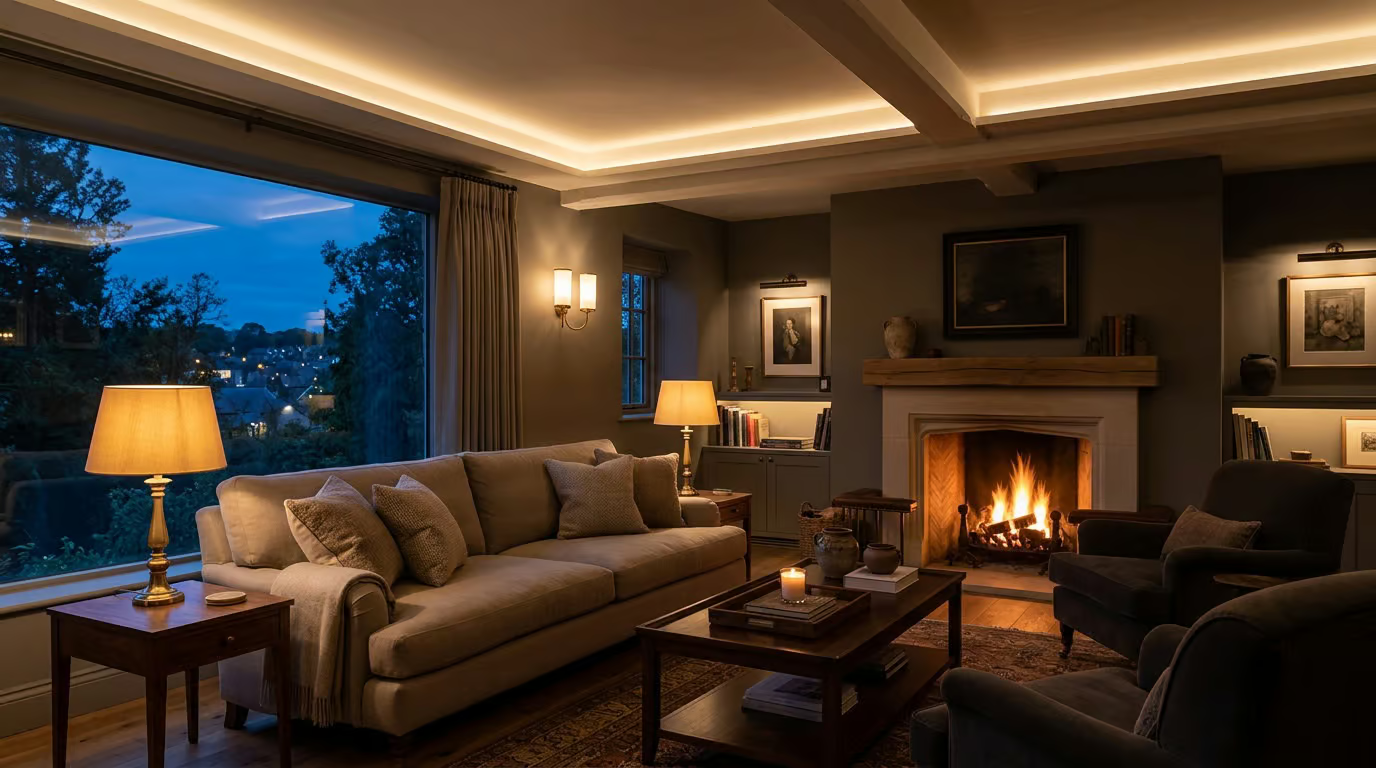
Study Lamp was the catalog’s reference for what a reading lamp should be. Solid brass column, weighted base, hand-sewn linen shade in natural off-white, single bulb, single switch.
The argument the lamp made was that utility is itself a design decision. The proportions weren’t decorative. The shade diameter was set to the column height by a 1.4 ratio because that is the proportion at which the cone of light falls correctly on a book. The column height was set to the typical bedside-table height plus reader-shoulder distance.
It was the studio’s longest-running product. Five years on the catalog cover or interior pages. It came off the line in 2019 when ceramic and metal production was retired together.
Proportion. Function. Refusal.
Three rules that kept the lamp out of the trend cycle, and still inform how the network’s installers think about task lighting placement on every interior plan.
01
Proportion from function, not fashion
Shade diameter, column height, base weight: all set by the geometry of how a person reads, not by what looked current. The lamp aged well because it wasn’t trying to be current.
02
Single bulb, single switch
No three-way, no smart integration. The argument was that a reading lamp does one thing. Adding modes is what makes a reading lamp feel like an office supply.
03
Refusal to update
The lamp ran unchanged for five years. No special editions, no colorway extensions, no anniversary version. Refusal to update is itself a design statement at long enough scale.
Utility as design didn’t go away.
The lamp is no longer made. The argument (utility is a design language, and a fixture’s proportions should come from how a person uses it) sits inside every task-lighting decision the network’s installers make.