

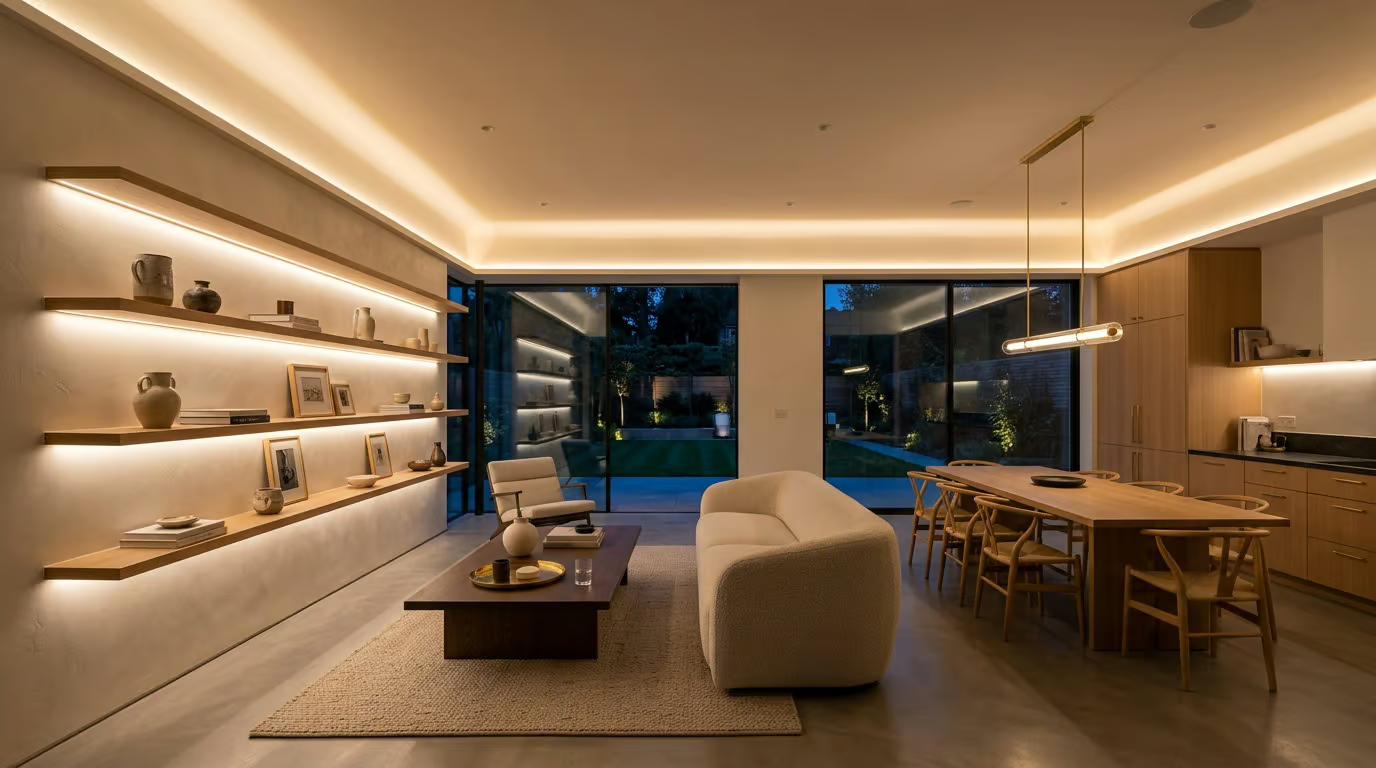

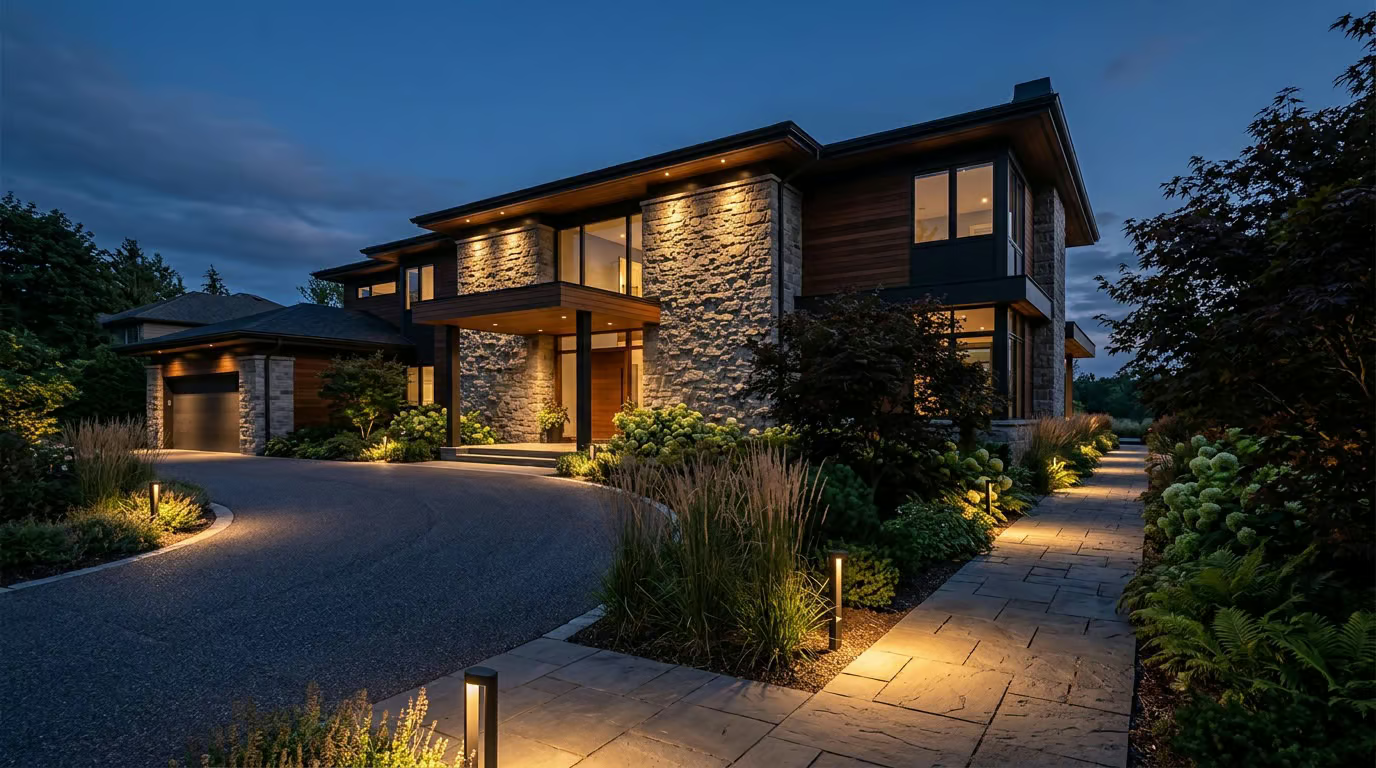

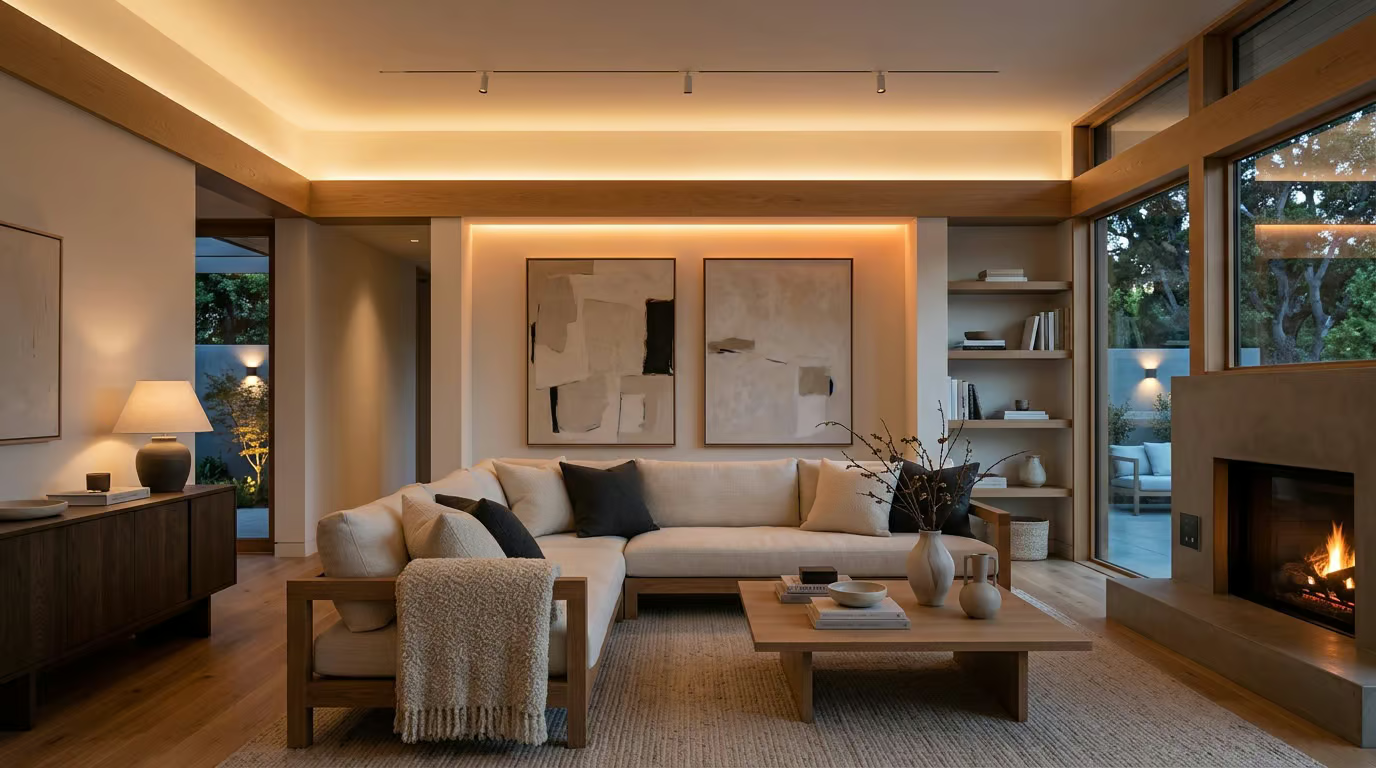
Commercial Lighting Installation
Commercial lighting installation is where licensing, code compliance, and energy economics all matter at once. The contractor needs to know the local energy code, emergency lighting requirements, and exit signage placement. And to deliver a system that works on the schedule the business actually operates on. Different from residential. Different installer, usually.

What’s covered when you hire a commercial lighting installer.
Energy code: ASHRAE 90.1 and Title 24. What they mandate and where
Emergency lighting: battery backup, exit signage, and inspection requirements
Parking lot lighting: photometric layout, dark-sky compliance, motion controls
Retail lighting: track and accent systems for displays without glare
Warehouse lighting: high-bay LED with daylight sensors and zoned controls
Different approaches. Same craft.
There’s no one-size-fits-all commercial lighting install. Most projects combine 2–3 of the following techniques.
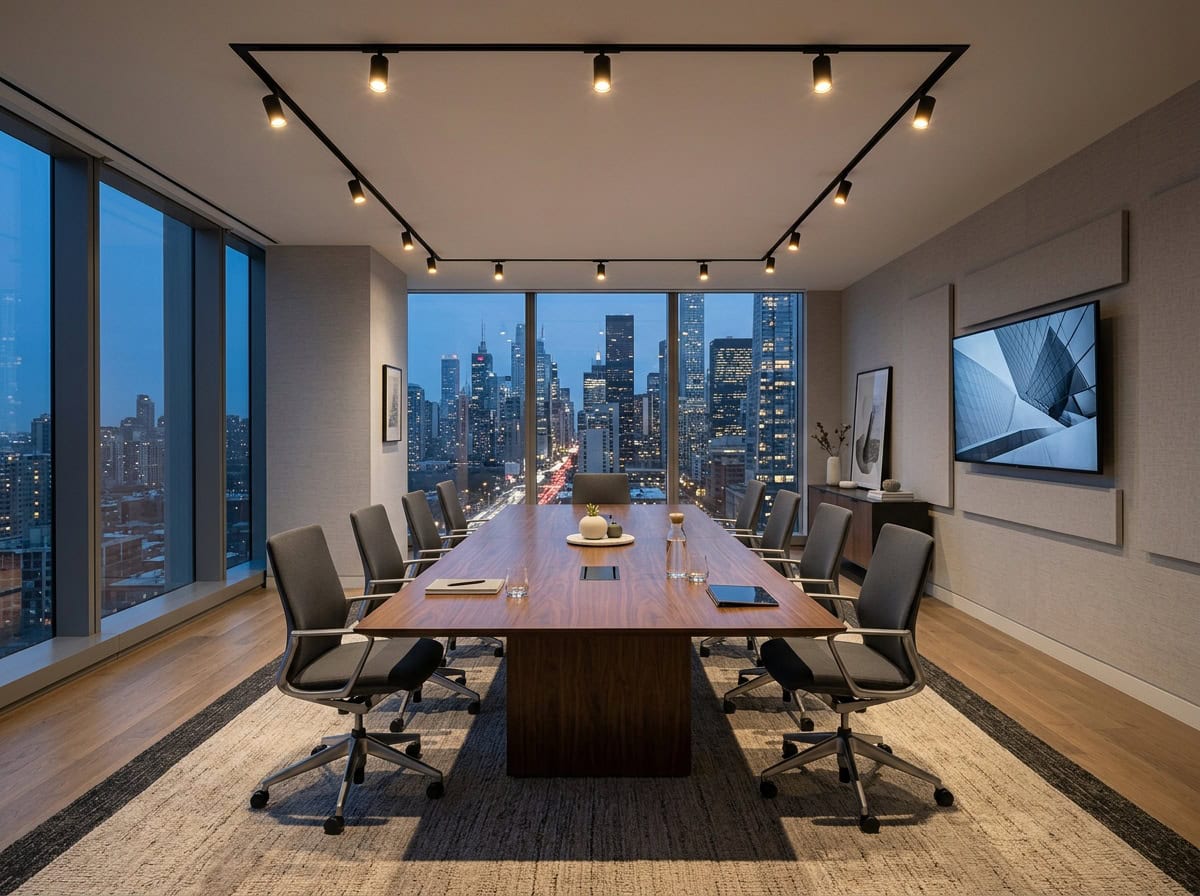
Office Track
Adjustable track in conference rooms, open offices, and workstations.

Retail Display
Accent track and recessed for product displays and customer flow.

Warehouse High-Bay
LED high-bays with daylight sensors and zoned controls.

Parking Lot Poles
Pole-mount LED with dark-sky compliance and motion controls.
$0
Homeowner fees. Installers pay only when they earn your business
0
Lighting services covered, from outdoor to smart-home
0
Licensed and insured installers. No exceptions
<0
Average inquiry-to-first-contact response time
A boutique retail flagship, track + accent system
Denver, Colorado

Lighting a 700 sq ft boutique for a Cherry Creek retailer. Track for product flexibility, recessed for ambient, accent on featured displays. Designed around merchandise rotation.
Project type
Retail lighting design + install
Square footage
700 sq ft
Track fixtures
18 adjustable LED heads
Recessed
14 cans
Color temperature
3000K (warm retail)
Project timeline
5 days, after-hours
Five things to avoid when hiring an commercial lighting installer.
Most mistakes happen at the planning stage, not the install. Here’s what to watch for before you sign anything.
01
Skipping the energy code review.
Title 24 (CA), ASHRAE 90.1, and state codes are getting stricter. Installing without a code review can mean failed inspection and rework.
02
Forgetting emergency lighting.
Egress lighting and exit signs are required by code in most commercial spaces. Easy to overlook on a remodel. Expensive to add after final inspection.
03
Mixing color temperatures across one space.
Retail and office spaces feel chaotic when 3000K, 4000K, and 5000K all coexist. Pick one. Usually 3000K for retail, 3500-4000K for office.
04
Underestimating the lumen output.
Commercial spaces need higher lumens than residential. Typically 50-100 lumens/sq ft for office, 100+ for retail. Underlit spaces feel cheap.
05
Cheap fixtures in high-cycling areas.
A fixture cycled 20 times a day fails fast if it’s built for residential use. Commercial-rated fixtures cost more upfront but stop the replacement treadmill.
Three steps. No phone trees. No friction.
From inquiry to installation. Engineered to be the fastest way to find a quality lighting installer in your area.
01
Tell us about your project
Zip code, the service you need, your contact info. 60 seconds. No account creation. No phone tree.
02
We route to local installers
Licensed lighting pros in your area receive your project and reach out. Typically within 24 hours.
03
Compare. Choose. Or don’t.
Free, no-obligation quotes. Hire who you want, when you want. There’s no fee for using the service.
What changes when you hire a specialist vs. a general electrician.
Both are licensed. Both can wire a fixture. Only one approaches lighting as a design discipline. And the difference shows up in the finished property.
Where commercial lighting is in highest demand.
Illinois suburbs lead the network. Naperville, Hinsdale, Burr Ridge, Downers Grove, Plainfield. Other major metros follow.
Free quotes. Licensed installers. 24-hour response.
Get free quotes in 24 hours.
No obligation. No fee. Licensed installers only.
Or reach out directly.
No fee · No spam · No obligation. Installers pay us only when they earn your business.
Know what commercial lighting should cost first.
Independent cost guide. National ranges, regional multipliers, and the five factors that drive most of the variance.
Commercial Lighting — common questions.
How much does commercial lighting cost?
Most homeowners spend between the low and high ends of the published cost guide. Costs vary by project size, fixture quality, regional labor rates, and whether existing wiring can be reused. Use our quote form for a per-project estimate from local installers. typically within 24 hours.
Do I need a permit for commercial lighting?
Permit requirements vary by city. Most low-voltage outdoor lighting installs (under 50 watts per circuit) don’t require permits. New high-voltage circuits, panel changes, or commercial installs typically do. A licensed installer will handle the permit pull as part of the project. And tell you upfront if one’s needed.
How long does commercial lighting installation take?
A typical residential install takes 1–3 days depending on scope. A single recessed light might be an hour. A complete landscape lighting system on an acre property could span a week. Your installer will give you a project timeline in their estimate.
What should I look for in a commercial lighting contractor?
Three things: (1) current license and liability insurance in your state; (2) lighting-specific experience (not just general electrical); (3) written estimates with itemized line items, so you can compare bids apples-to-apples. All installers in our network are pre-vetted for license + insurance.
What’s the best time of year for commercial lighting?
Outdoor and landscape lighting: spring through early fall (ground unfrozen, dry weather for trenching). Interior, recessed, LED: year-round. Holiday lighting: book before October. Peak-season installers fill the calendar fast. Indoor work avoids peak summer/winter pricing where installers are busiest.