

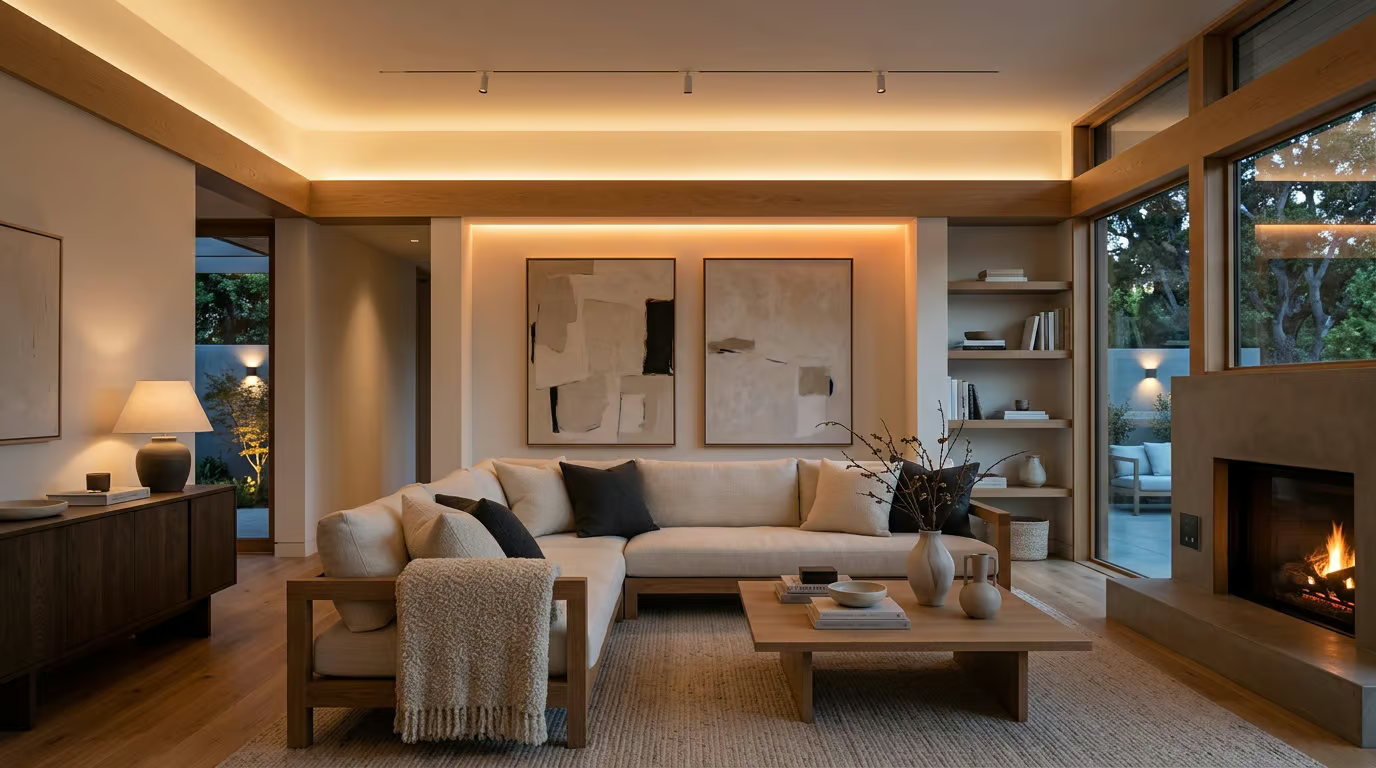
Recessed Lighting Installation
Recessed lighting is the most-installed and most-overdone interior fixture in American homes. Done well, it disappears into the ceiling and gives you soft pools of light wherever you need them. Done poorly, it floodlights the room and washes out everything else. The contractor matters here as much as the fixtures.

What’s covered when you hire a recessed lighting installer.
Can vs canless: traditional housings vs modern wafer LEDs
Spacing: the rule of half-the-ceiling-height (and when to break it)
Dimmer compatibility: not all LEDs dim cleanly with all dimmers
Insulation: IC-rated vs non-IC, and why it matters for fire safety
LED retrofits: replacing old halogen cans without re-cutting drywall
Different approaches. Same craft.
There’s no one-size-fits-all recessed lighting install. Most projects combine 2–3 of the following techniques.

New Construction Cans
Traditional IC-rated housings installed during build or full remodel.

Wafer LED Retrofit
Slim wafer LEDs in existing ceilings. No attic access needed.

Adjustable Trims
Directional eyeball trims for art walls and focal accents.

Sloped Ceiling Cans
Angled housings designed for cathedral and vaulted ceilings.
$0
Homeowner fees. Installers pay only when they earn your business
0
Lighting services covered, from outdoor to smart-home
0
Licensed and insured installers. No exceptions
<0
Average inquiry-to-first-contact response time
A high-rise condo, full-floor recessed retrofit
Chicago, Illinois

Replacing 1990s halogen cans with warm-white LED wafers across a 2,800 sq ft floor plan. No attic access. Every fixture went through the existing ceiling holes with wafer retrofits.
Project type
Full-floor LED retrofit
Square footage
2,800 sq ft
Fixtures replaced
44 recessed cans
Conversion
Halogen → 9W warm-white LED
Project timeline
3 days
Annual energy savings
~$680 vs prior halogen
Five things to avoid when hiring an recessed lighting installer.
Most mistakes happen at the planning stage, not the install. Here’s what to watch for before you sign anything.
01
Putting cans every 4 ft like a checkerboard.
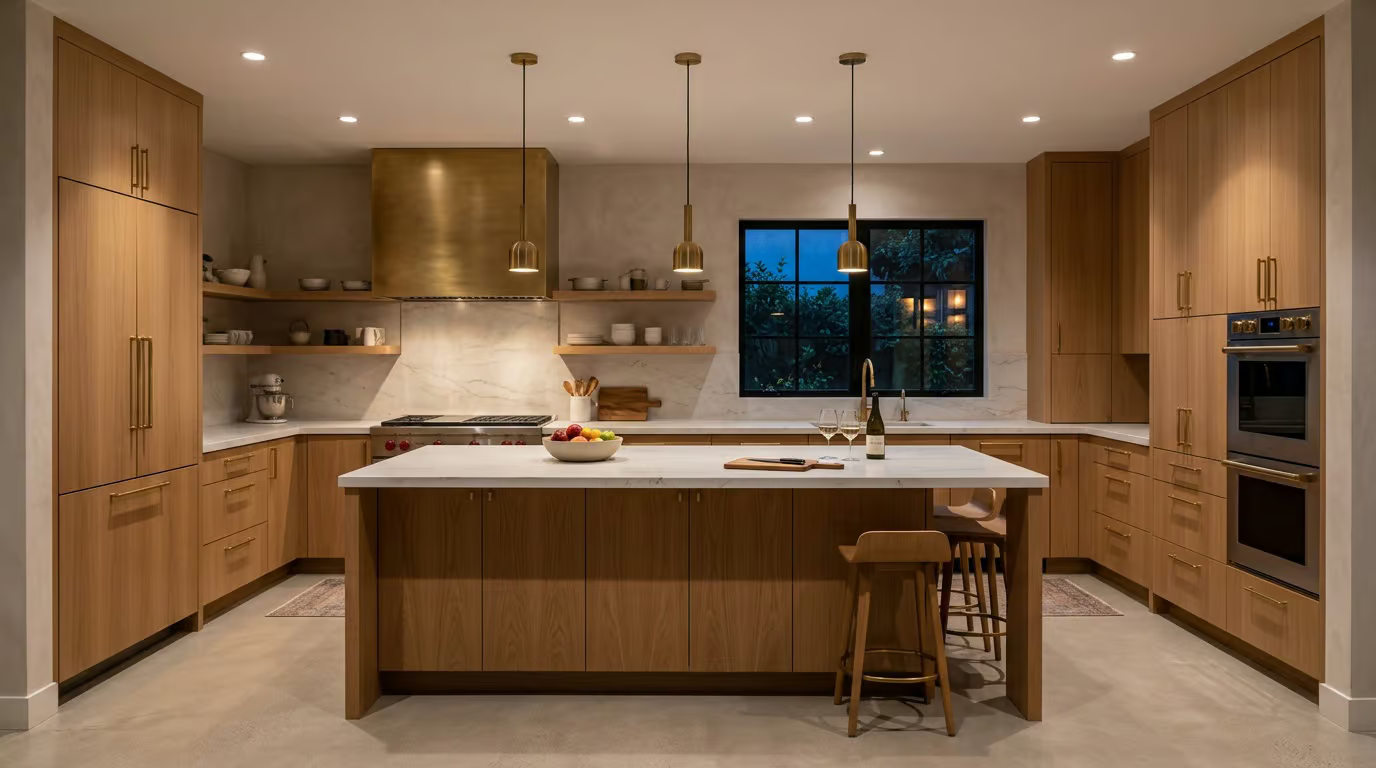
Even spacing makes a kitchen feel like a parking lot. Modern recessed layouts cluster around work zones and leave ambient gaps elsewhere.
02
Ignoring dimmer compatibility.
Not all LED cans dim cleanly with every dimmer. Mismatched pairs flicker or buzz. A good installer specs dimmer + driver together.
03
Using non-IC cans in insulated ceilings.
Non-IC-rated housings in contact with insulation are a fire hazard. IC-rated is the only correct choice for any ceiling with insulation.
04
Specifying 4000K “daylight” LEDs in living spaces.
4000K reads clinical in homes. 2700K (warm white) is the residential standard. 3000K is the highest acceptable for living rooms and bedrooms.
05
Cutting drywall before checking joists.
A surprising number of installs hit a joist halfway through cutting. A pro maps the ceiling structure first and adjusts the layout before any drywall comes down.
Three steps. No phone trees. No friction.
From inquiry to installation. Engineered to be the fastest way to find a quality lighting installer in your area.
01
Tell us about your project
Zip code, the service you need, your contact info. 60 seconds. No account creation. No phone tree.
02
We route to local installers
Licensed lighting pros in your area receive your project and reach out. Typically within 24 hours.
03
Compare. Choose. Or don’t.
Free, no-obligation quotes. Hire who you want, when you want. There’s no fee for using the service.
What changes when you hire a specialist vs. a general electrician.
Both are licensed. Both can wire a fixture. Only one approaches lighting as a design discipline. And the difference shows up in the finished property.
Where recessed lighting is in highest demand.
Illinois suburbs lead the network. Naperville, Hinsdale, Burr Ridge, Downers Grove, Plainfield. Other major metros follow.
Free quotes. Licensed installers. 24-hour response.
Get free quotes in 24 hours.
No obligation. No fee. Licensed installers only.
Or reach out directly.
No fee · No spam · No obligation. Installers pay us only when they earn your business.
Know what recessed lighting should cost first.
Independent cost guide. National ranges, regional multipliers, and the five factors that drive most of the variance.
Recessed Lighting — common questions.
How much does recessed lighting cost?
Most homeowners spend between the low and high ends of the published cost guide. Costs vary by project size, fixture quality, regional labor rates, and whether existing wiring can be reused. Use our quote form for a per-project estimate from local installers. typically within 24 hours.
Do I need a permit for recessed lighting?
Permit requirements vary by city. Most low-voltage outdoor lighting installs (under 50 watts per circuit) don’t require permits. New high-voltage circuits, panel changes, or commercial installs typically do. A licensed installer will handle the permit pull as part of the project. And tell you upfront if one’s needed.
How long does recessed lighting installation take?
A typical residential install takes 1–3 days depending on scope. A single recessed light might be an hour. A complete landscape lighting system on an acre property could span a week. Your installer will give you a project timeline in their estimate.
What should I look for in a recessed lighting contractor?
Three things: (1) current license and liability insurance in your state; (2) lighting-specific experience (not just general electrical); (3) written estimates with itemized line items, so you can compare bids apples-to-apples. All installers in our network are pre-vetted for license + insurance.
What’s the best time of year for recessed lighting?
Outdoor and landscape lighting: spring through early fall (ground unfrozen, dry weather for trenching). Interior, recessed, LED: year-round. Holiday lighting: book before October. Peak-season installers fill the calendar fast. Indoor work avoids peak summer/winter pricing where installers are busiest.