

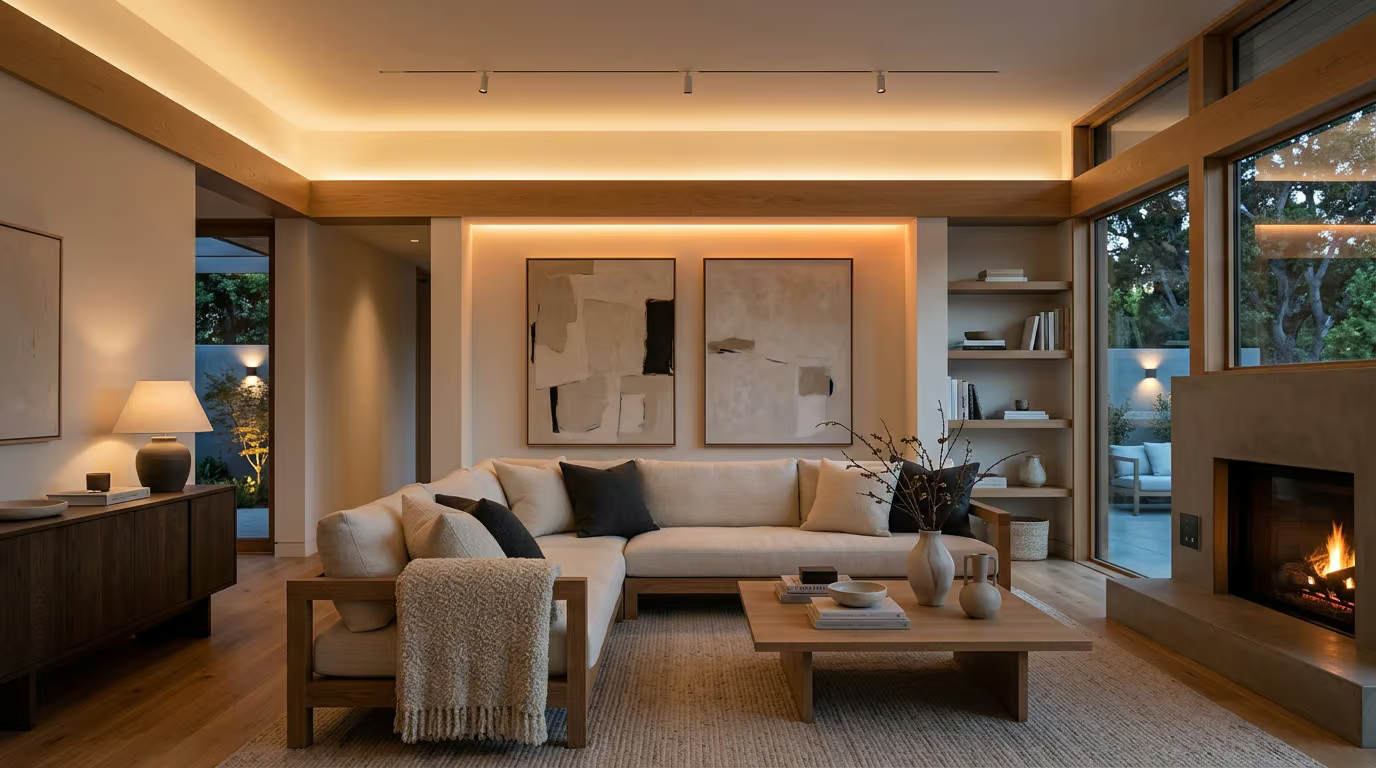
Smart Lighting Installation
Smart lighting installation is mostly about making technology disappear. The right system responds to time of day, occupancy, and your routine without requiring an app to turn on a light. Hub-based platforms (Lutron, Control4, Crestron) integrate cleanly. App-only systems (WiFi bulbs) tend to frustrate within months. A skilled installer knows the difference.

What’s covered when you hire a smart lighting installer.
Hub-based vs WiFi: why a dedicated hub almost always outlasts cloud-dependent systems
Matter and Thread: the new interoperability standards and what they actually deliver
Scenes: programming time-of-day presets so the house lights itself
Voice integration: Alexa, Google, HomeKit. What works reliably in residential
Compatibility with existing fixtures: what needs replacing vs what just needs a new switch
Different approaches. Same craft.
There’s no one-size-fits-all smart lighting install. Most projects combine 2–3 of the following techniques.

Hardwired Smart Switches
Lutron Caseta, Crestron, Control4. Hub-based wall switches and dimmers.
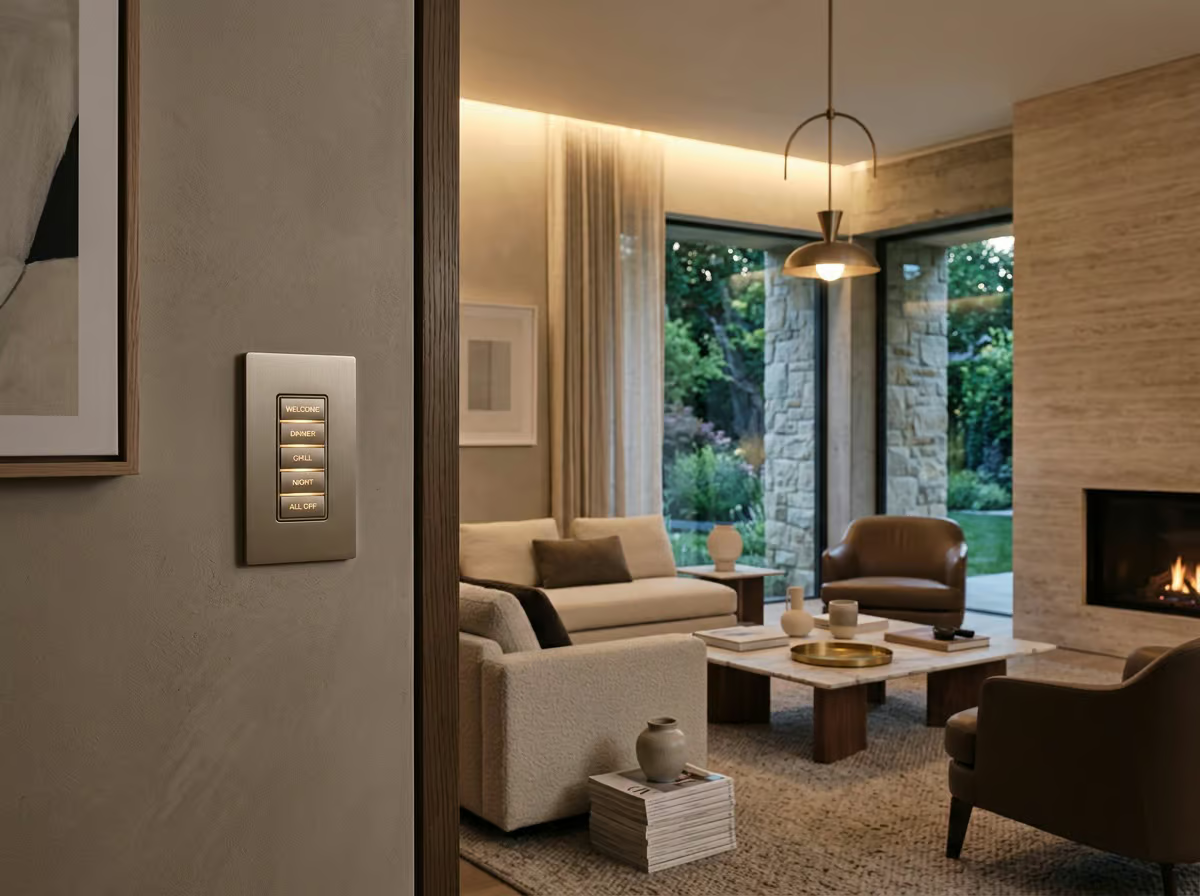
Scene Keypads
Wall-mounted multi-button keypads for one-touch scenes.

App + Voice Control
Phone app + Alexa, Google Home, and HomeKit voice integration.

Whole-Home Integration
Coordinated smart lighting across every room on a single platform.
$0
Homeowner fees. Installers pay only when they earn your business
0
Lighting services covered, from outdoor to smart-home
0
Licensed and insured installers. No exceptions
<0
Average inquiry-to-first-contact response time
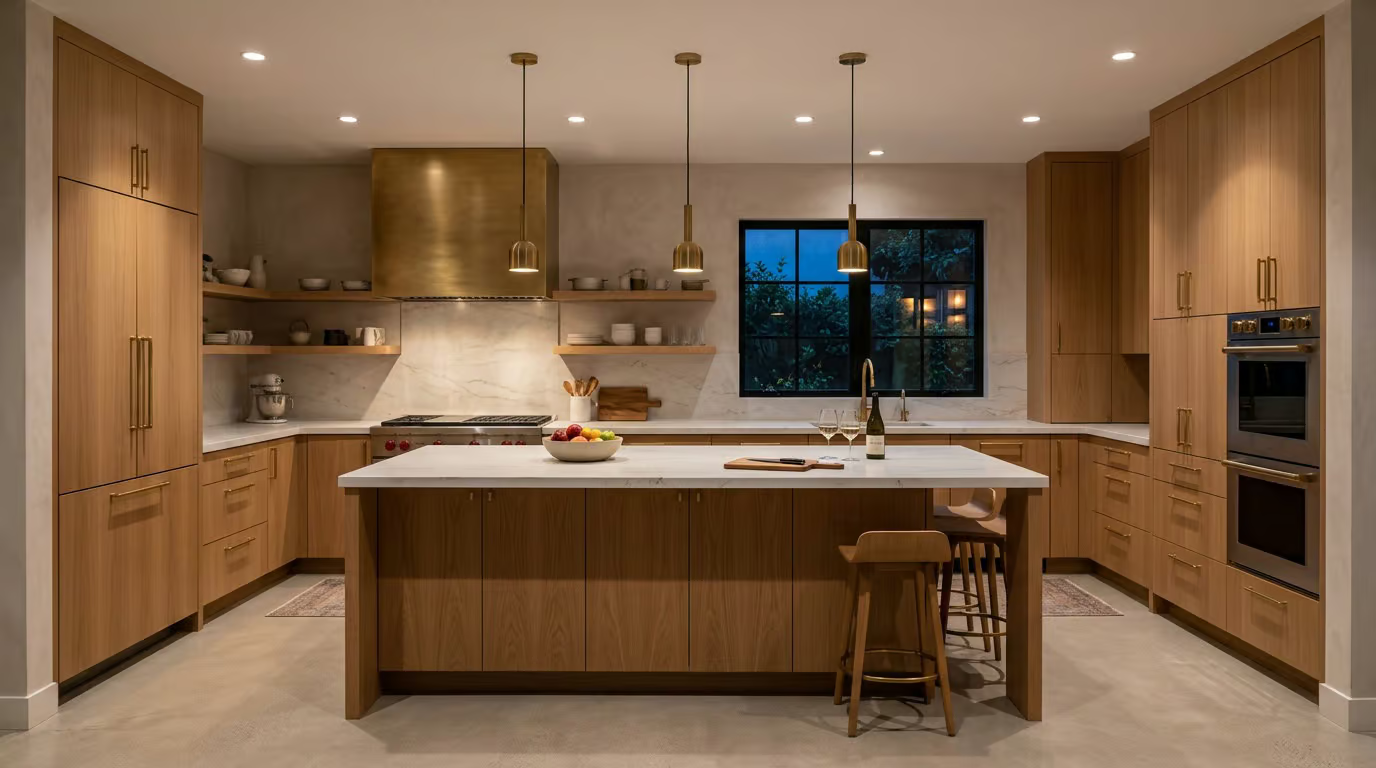
A modern home, full-house smart lighting
Atlanta, Georgia

Lutron Caseta on every switch in a 4,200 sq ft home. Pico keypads at the bedside and kitchen island for one-touch scenes. Wake, Cook, Dinner, Movie, All Off.
Project type
Whole-home smart lighting
Square footage
4,200 sq ft
Smart switches
48 Lutron Caseta dimmers
Scene keypads
6 Pico controllers
Integration
Alexa + HomeKit
Project timeline
6 days
Five things to avoid when hiring an smart lighting installer.
Most mistakes happen at the planning stage, not the install. Here’s what to watch for before you sign anything.
01
Choosing WiFi bulbs over hub-based systems.
WiFi bulbs depend on internet + cloud servers. Hub-based systems (Lutron, Crestron) work locally and survive ISP outages.
02
Smart bulbs in fixtures with non-smart switches.
If someone hits the wall switch, the bulb loses power and becomes dumb. Smart switches solve this. The wall switch is always smart.
03
Skipping scene keypads.
Phone apps are fine for occasional control. For everyday use, a wall keypad with 4 scene buttons is faster, more reliable, and works for guests.
04
Mixing platforms (Hue + Caseta + Wyze + …).
Multiple platforms means multiple apps and integration headaches. Pick one ecosystem and stay in it.
05
Forgetting the bedside controller.
The smart-home upgrade most homeowners thank their installer for: a keypad at the bedside that turns the whole house off in one tap.
Three steps. No phone trees. No friction.
From inquiry to installation. Engineered to be the fastest way to find a quality lighting installer in your area.
01
Tell us about your project
Zip code, the service you need, your contact info. 60 seconds. No account creation. No phone tree.
02
We route to local installers
Licensed lighting pros in your area receive your project and reach out. Typically within 24 hours.
03
Compare. Choose. Or don’t.
Free, no-obligation quotes. Hire who you want, when you want. There’s no fee for using the service.
What changes when you hire a specialist vs. a general electrician.
Both are licensed. Both can wire a fixture. Only one approaches lighting as a design discipline. And the difference shows up in the finished property.
Where smart lighting is in highest demand.
Illinois suburbs lead the network. Naperville, Hinsdale, Burr Ridge, Downers Grove, Plainfield. Other major metros follow.
Free quotes. Licensed installers. 24-hour response.
Get free quotes in 24 hours.
No obligation. No fee. Licensed installers only.
Or reach out directly.
No fee · No spam · No obligation. Installers pay us only when they earn your business.
Know what smart lighting should cost first.
Independent cost guide. National ranges, regional multipliers, and the five factors that drive most of the variance.
Smart Lighting — common questions.
How much does smart lighting cost?
Most homeowners spend between the low and high ends of the published cost guide. Costs vary by project size, fixture quality, regional labor rates, and whether existing wiring can be reused. Use our quote form for a per-project estimate from local installers. typically within 24 hours.
Do I need a permit for smart lighting?
Permit requirements vary by city. Most low-voltage outdoor lighting installs (under 50 watts per circuit) don’t require permits. New high-voltage circuits, panel changes, or commercial installs typically do. A licensed installer will handle the permit pull as part of the project. And tell you upfront if one’s needed.
How long does smart lighting installation take?
A typical residential install takes 1–3 days depending on scope. A single recessed light might be an hour. A complete landscape lighting system on an acre property could span a week. Your installer will give you a project timeline in their estimate.
What should I look for in a smart lighting contractor?
Three things: (1) current license and liability insurance in your state; (2) lighting-specific experience (not just general electrical); (3) written estimates with itemized line items, so you can compare bids apples-to-apples. All installers in our network are pre-vetted for license + insurance.
What’s the best time of year for smart lighting?
Outdoor and landscape lighting: spring through early fall (ground unfrozen, dry weather for trenching). Interior, recessed, LED: year-round. Holiday lighting: book before October. Peak-season installers fill the calendar fast. Indoor work avoids peak summer/winter pricing where installers are busiest.