

Landscape Lighting Installation
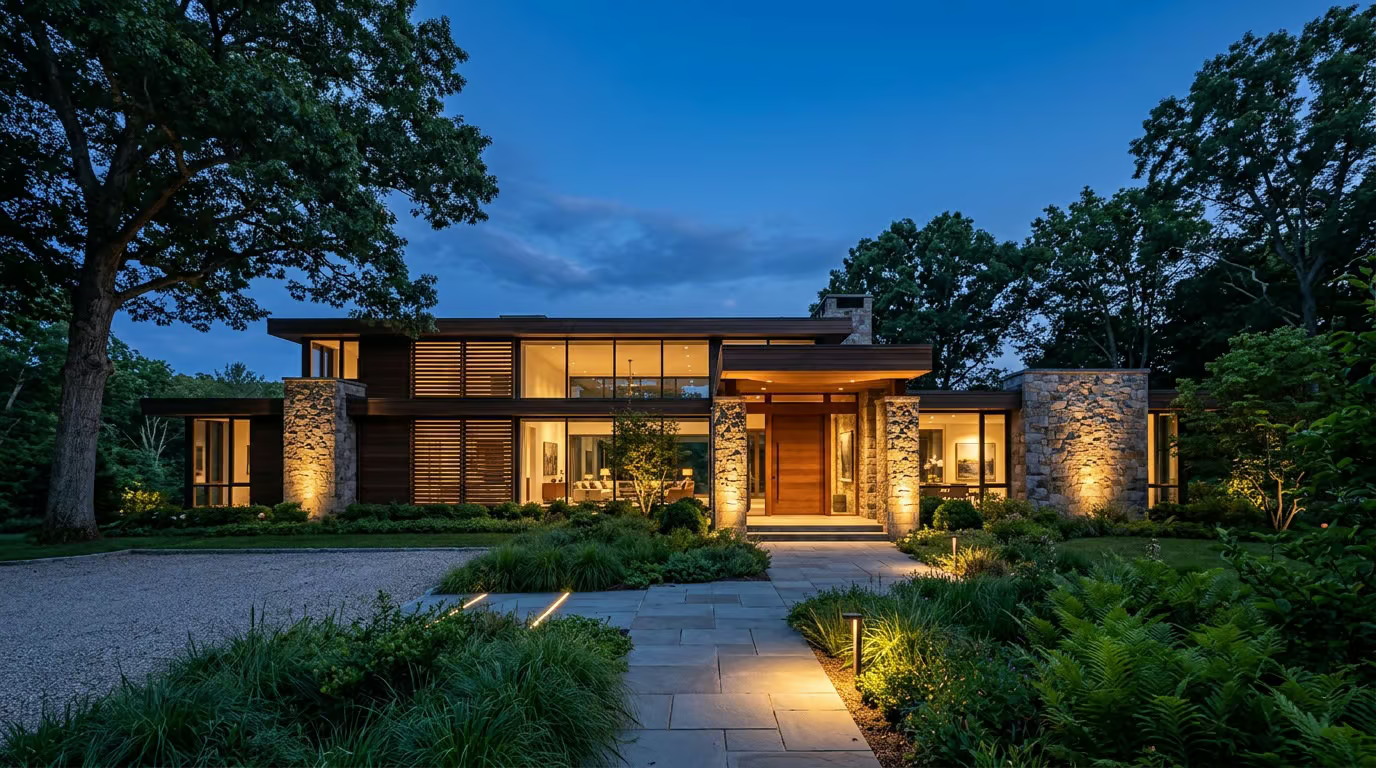
Landscape lighting is what turns a garden from a daytime feature into a year-round one. Pathway lights, uplit trees, washed planting beds, and accent lighting on architecture. all working together so the property reads as designed, not decorated. A skilled installer knows where to place fixtures so they’re seen at night and disappear by day.

What’s covered when you hire a landscape lighting installer.
Low-voltage vs line-voltage systems. The difference for typical residential installs
Transformer sizing: matching wattage to fixture count with future expansion in mind
Fixture placement: uplighting trees, washing walls, grazing textures
Seasonal adjustment: how the same plan looks across spring, summer, and winter
Maintenance: what stays installed year-round vs what gets pulled and stored
Different approaches. Same craft.
There’s no one-size-fits-all landscape lighting install. Most projects combine 2–3 of the following techniques.

Path Lighting
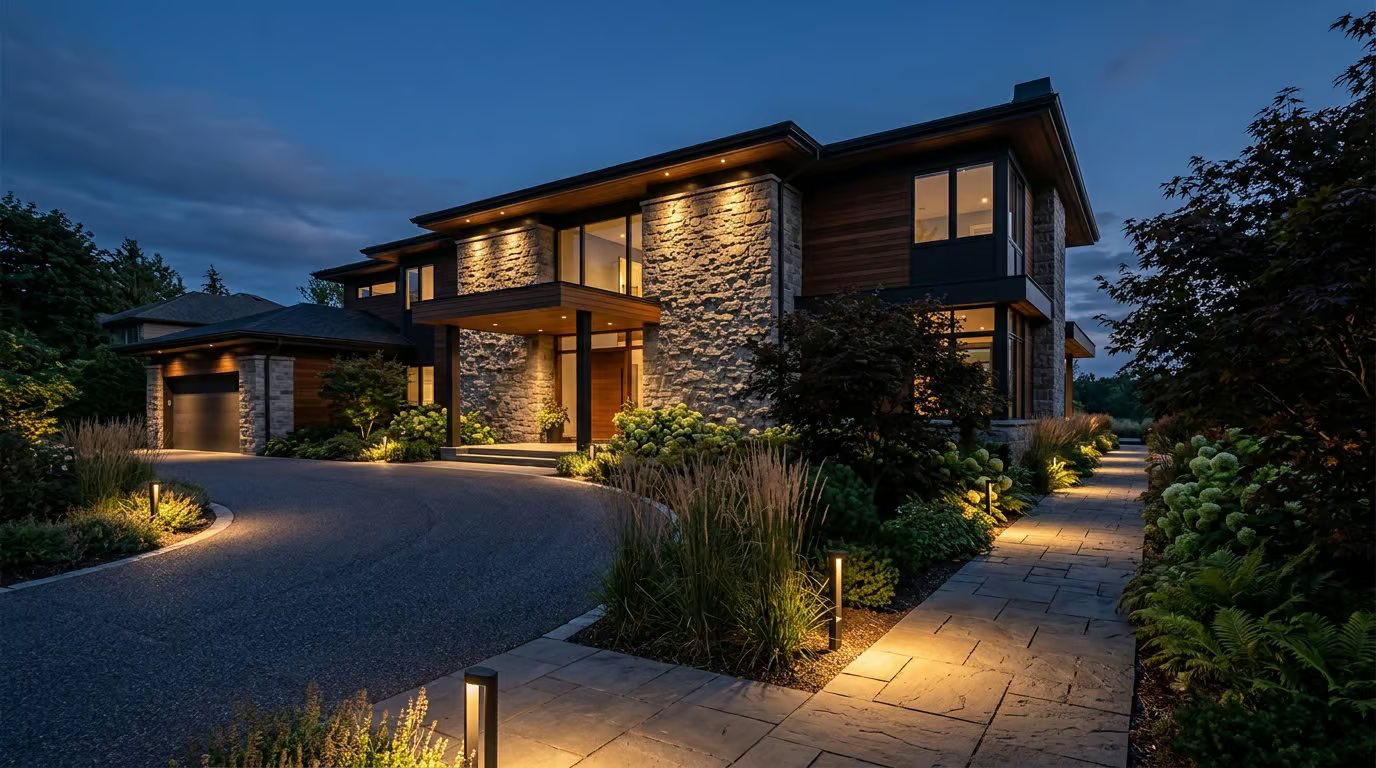
Bollards and low-voltage pathway lights along garden walks and beds.

Tree Uplighting
Warm uplights making mature trees the property’s nighttime architecture.

Garden Bed Accent
Soft accent washes on flowering beds and ornamental plantings.

Water Feature Lights
Underwater and shoreline lighting for ponds, fountains, and pools.
$0
Homeowner fees. Installers pay only when they earn your business
0
Lighting services covered, from outdoor to smart-home
0
Licensed and insured installers. No exceptions
<0
Average inquiry-to-first-contact response time
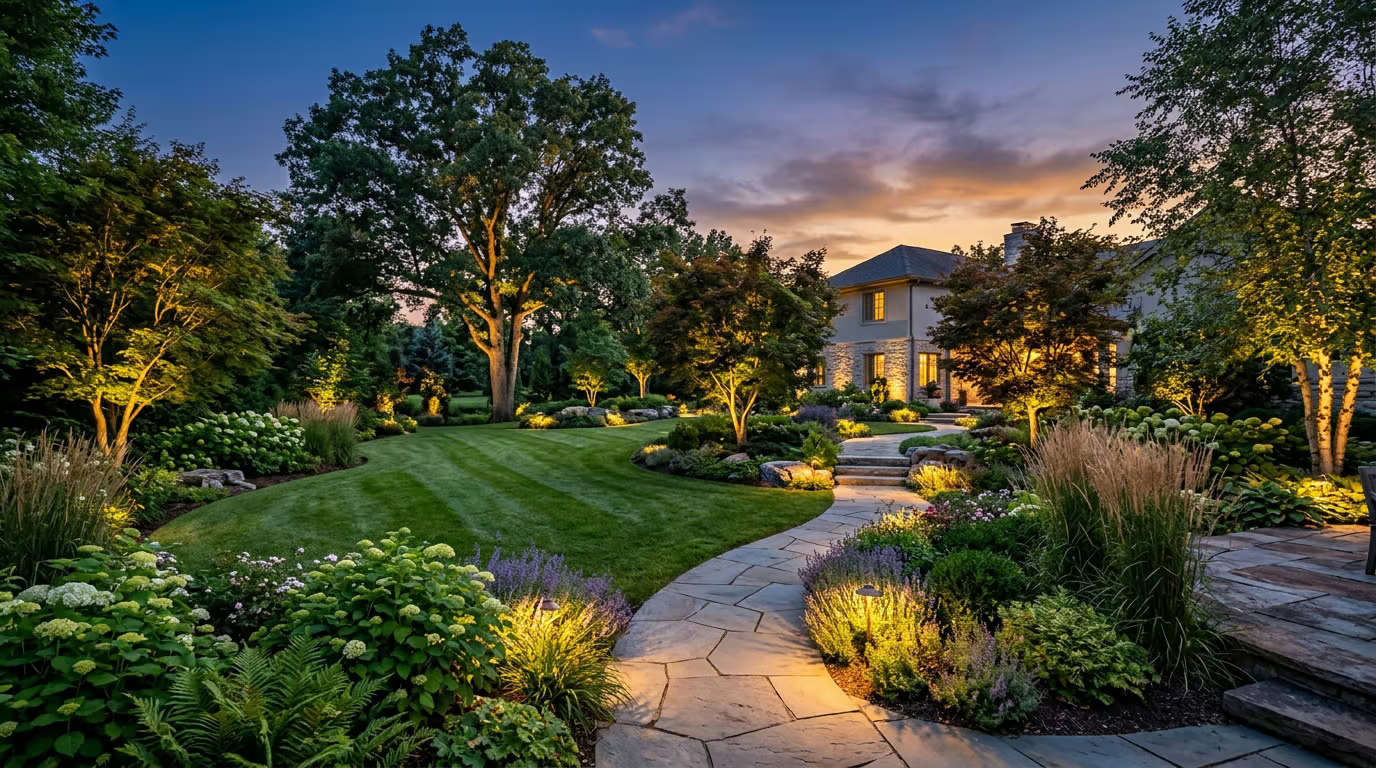
A colonial estate, garden-led landscape plan
Naperville, Illinois
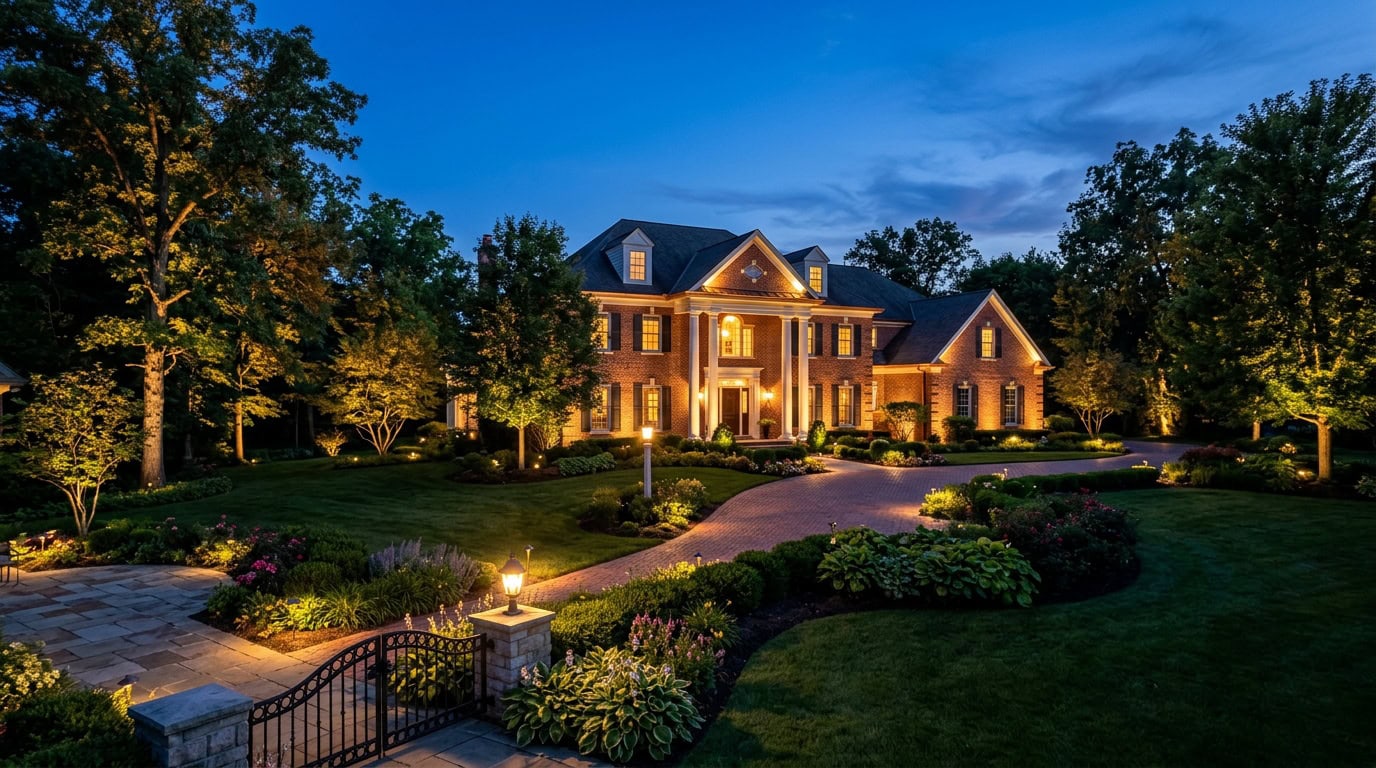
Designed in coordination with the homeowner’s landscape architect. Every fixture placed to support the planting plan, not fight it. Uplights on the mature oaks read as theatrical, path lights as practical.
Project type
Garden-led landscape lighting
Property size
1.8 acres
Fixtures installed
54 (uplighting + path + accent)
Mature trees uplit
8 oaks, 4 maples
Project timeline
7 days
Fixture material
Brass and copper
Five things to avoid when hiring an landscape lighting installer.
Most mistakes happen at the planning stage, not the install. Here’s what to watch for before you sign anything.
01
Ignoring the landscape plan.
The lighting should be designed alongside the plantings, not around them. Fixtures that work today get swallowed by hedges in three years if the planting plan wasn’t considered.
02
Aiming uplights into the neighbor’s windows.
Done wrong, residential uplighting becomes light pollution. A skilled installer aims for the canopy, not the property line.
03
Putting path lights every 4 feet.
Path lights every 4 feet read as a runway, not a landscape. Most properties need 10-15 ft spacing minimum, with intentional dark gaps.
04
Using a single fixture style everywhere.
Path lights belong on paths. Bullets uplight trees. Wash fixtures light walls. Mixing the right tool for each job is what separates designed from decorated.
05
Skipping the transformer for direct-burial wire.
120V direct-burial in residential landscape is dated, dangerous, and harder to modify. Low-voltage with a transformer is the modern standard for a reason.
Three steps. No phone trees. No friction.
From inquiry to installation. Engineered to be the fastest way to find a quality lighting installer in your area.
01
Tell us about your project
Zip code, the service you need, your contact info. 60 seconds. No account creation. No phone tree.
02
We route to local installers
Licensed lighting pros in your area receive your project and reach out. Typically within 24 hours.
03
Compare. Choose. Or don’t.
Free, no-obligation quotes. Hire who you want, when you want. There’s no fee for using the service.
What changes when you hire a specialist vs. a general electrician.
Both are licensed. Both can wire a fixture. Only one approaches lighting as a design discipline. And the difference shows up in the finished property.
Where landscape lighting is in highest demand.
Illinois suburbs lead the network. Naperville, Hinsdale, Burr Ridge, Downers Grove, Plainfield. Other major metros follow.
Free quotes. Licensed installers. 24-hour response.
Get free quotes in 24 hours.
No obligation. No fee. Licensed installers only.
Or reach out directly.
No fee · No spam · No obligation. Installers pay us only when they earn your business.
Know what landscape lighting should cost first.
Independent cost guide. National ranges, regional multipliers, and the five factors that drive most of the variance.
Landscape Lighting — common questions.
How much does landscape lighting cost?
Most homeowners spend between the low and high ends of the published cost guide. Costs vary by project size, fixture quality, regional labor rates, and whether existing wiring can be reused. Use our quote form for a per-project estimate from local installers. typically within 24 hours.
Do I need a permit for landscape lighting?
Permit requirements vary by city. Most low-voltage outdoor lighting installs (under 50 watts per circuit) don’t require permits. New high-voltage circuits, panel changes, or commercial installs typically do. A licensed installer will handle the permit pull as part of the project. And tell you upfront if one’s needed.
How long does landscape lighting installation take?
A typical residential install takes 1–3 days depending on scope. A single recessed light might be an hour. A complete landscape lighting system on an acre property could span a week. Your installer will give you a project timeline in their estimate.
What should I look for in a landscape lighting contractor?
Three things: (1) current license and liability insurance in your state; (2) lighting-specific experience (not just general electrical); (3) written estimates with itemized line items, so you can compare bids apples-to-apples. All installers in our network are pre-vetted for license + insurance.
What’s the best time of year for landscape lighting?
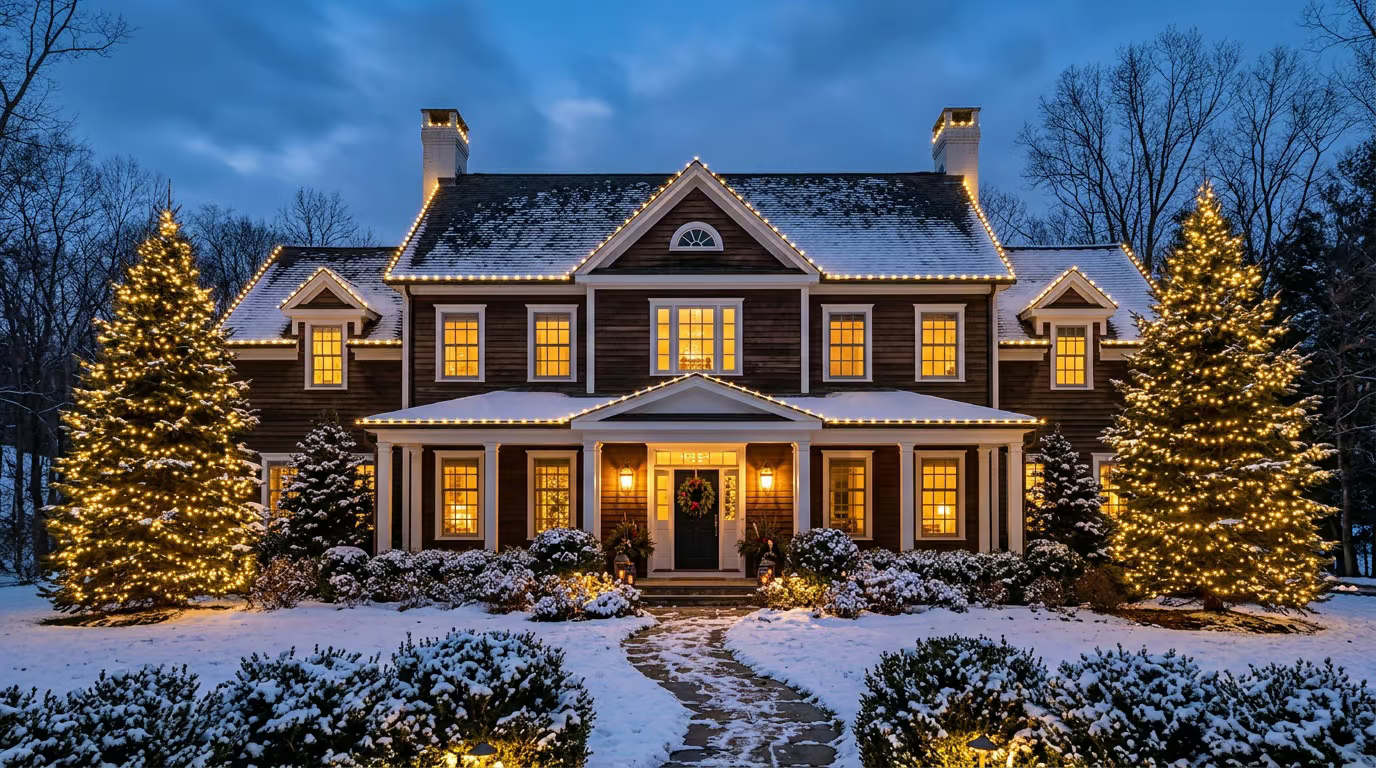
Outdoor and landscape lighting: spring through early fall (ground unfrozen, dry weather for trenching). Interior, recessed, LED: year-round. Holiday lighting: book before October. Peak-season installers fill the calendar fast. Indoor work avoids peak summer/winter pricing where installers are busiest.